
How to Visit Saint-Émilion Without a Car: The Complete Local Guide (2026)
Everything you need to know to explore one of France's most beautiful wine villages by train, bike, guided tour or on foot.
You've booked your trip to Bordeaux.
You definitely want to visit Saint-Émilion.
Then comes the first question that almost every traveller asks:
Do I really need to rent a car?
The good news is that the answer is no.
In fact, visiting Saint-Émilion without a car is often a better experience. The village is compact, its narrow medieval streets are made for walking, and some of the region's most beautiful vineyard roads are far more enjoyable by bicycle than from behind a steering wheel.
Whether you're travelling as a couple, with friends or on your own, there are several easy ways to reach Saint-Émilion from Bordeaux. Each offers a different experience depending on your budget, schedule and travel style.
As local cycling guides based in Bordeaux, we've helped hundreds of international visitors discover Saint-Émilion in a more authentic and sustainable way. In this guide, we'll explain every option so you can choose the one that suits you best.
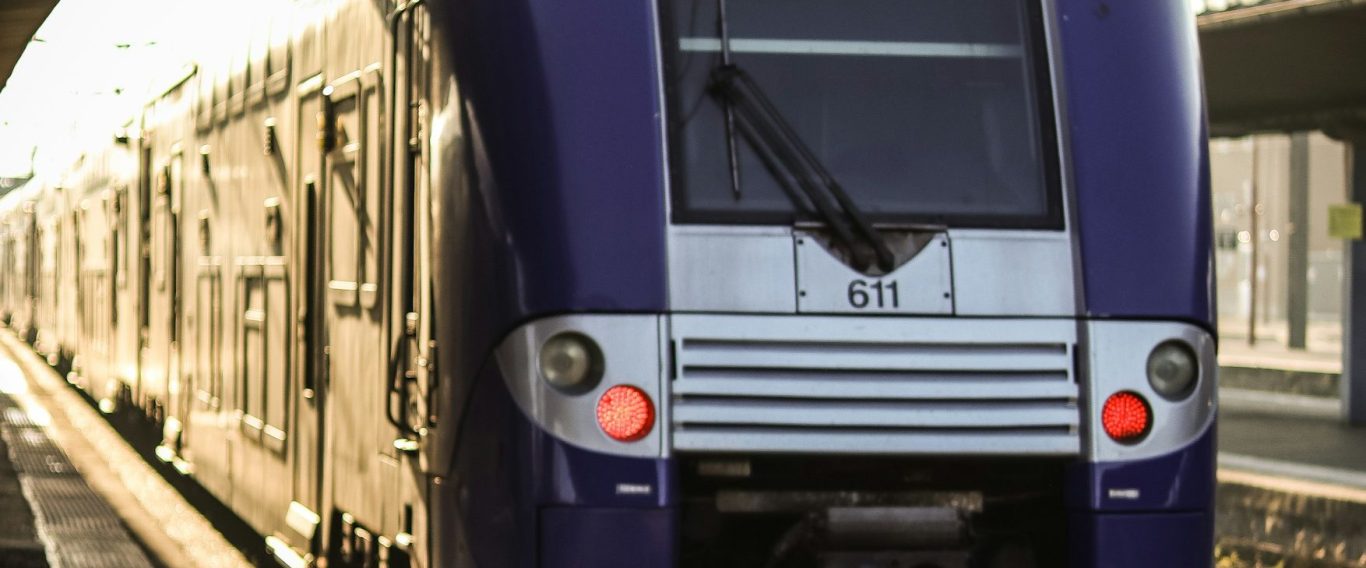
Why You Don't Need a Car to Visit Saint-Émilion
For many travellers, renting a car seems like the natural choice when planning a day trip through France's wine country. It promises freedom, flexibility and the ability to explore at your own pace.
But Saint-Émilion is one of those rare destinations where leaving the car behind can actually enhance your experience.
The medieval village was built centuries before automobiles existed. Its narrow cobbled streets, steep lanes and limestone stairways were designed for pedestrians, not traffic. Once you arrive, the best way to discover Saint-Émilion is simply to wander. Lose yourself among historic alleyways, hidden courtyards, panoramic viewpoints and small wine merchants tucked behind ancient stone façades. Many of the village's most memorable places can only be appreciated on foot.
Parking, meanwhile, is often less convenient than visitors expect. While several public car parks are available around the village, spaces can fill quickly during weekends, public holidays and the busy summer and harvest seasons. Depending on where you park, you may still need to walk uphill into the historic centre.
There's also another important consideration: wine.
One of the greatest pleasures of visiting Saint-Émilion is taking your time to discover its wineries, meet passionate winemakers and enjoy tastings without watching the clock or worrying about who will drive back to Bordeaux afterwards. Choosing a car often means one person has to limit their tasting or remain completely alcohol-free, something that can take away from the shared experience.
Fortunately, reaching Saint-Émilion without a car is remarkably easy.
Regular regional trains connect Bordeaux Saint-Jean station with Saint-Émilion in around 45 minutes, making it an excellent option for independent travellers. Guided tours provide a stress-free alternative, with transport and winery visits already organised. And for those looking to experience the countryside rather than simply pass through it, cycling offers something truly unique: the chance to leave the city behind, ride through quiet vineyard roads, stop whenever a beautiful landscape catches your eye and arrive in Saint-Émilion having experienced the journey—not just the destination.
Travelling without a car also allows you to slow down. Instead of focusing on directions, parking or traffic, you can focus on what brought you here in the first place: exceptional wines, remarkable heritage, beautiful landscapes and the simple pleasure of exploring at a gentler pace.
Many visitors discover that leaving the car behind actually makes the day more relaxing.
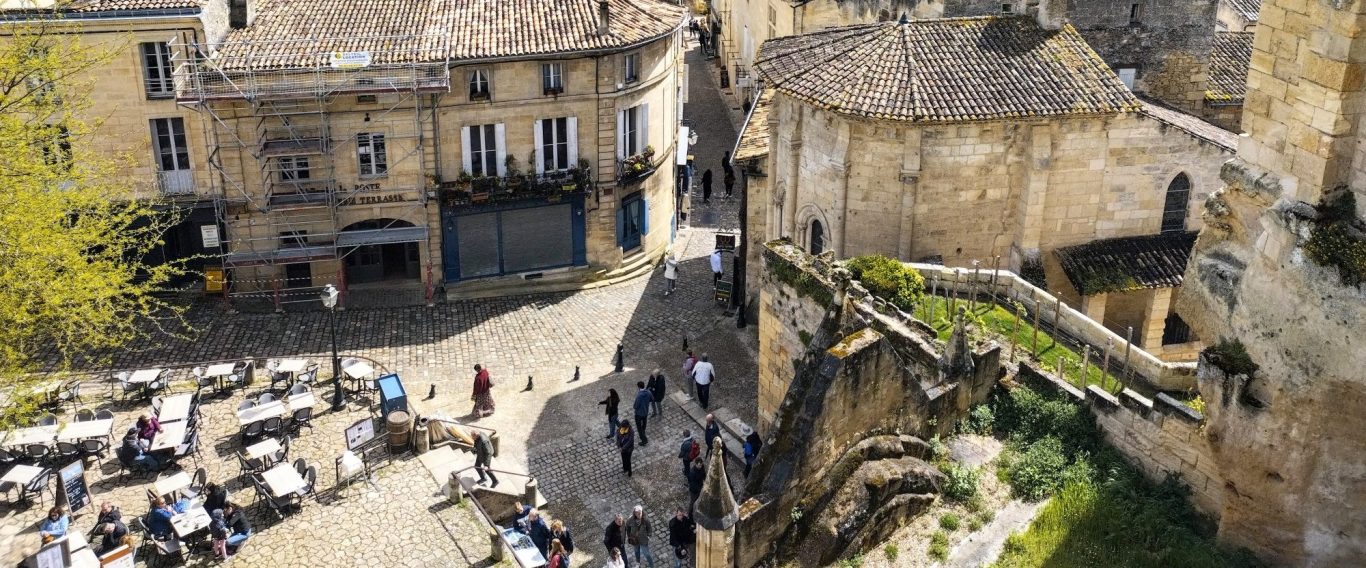
Option 1 – Visit Saint-Émilion by Train
For independent travellers, taking the train is undoubtedly one of the easiest and most affordable ways to visit Saint-Émilion from Bordeaux. If your main goal is to spend the day exploring the medieval village, it's an excellent option that allows you to avoid driving, parking and city traffic altogether.
Regional TER trains depart from Bordeaux Saint-Jean Station and reach Saint-Émilion Station in approximately 45 minutes. With tickets generally costing around €30 per person (round trip) and departures roughly every 30 minutes throughout much of the day, the journey is simple to organise, even if you're planning at the last minute.
One of the biggest advantages of travelling by train is that you leave Bordeaux's traffic behind almost immediately. Instead of navigating unfamiliar roads or searching for parking, you can relax and enjoy the changing scenery as the city gradually gives way to the countryside.
Arriving in Saint-Émilion
The train station is located about 1.5 kilometres (1 mile) from the historic centre, making for a pleasant 20-minute walk to the village.
The route follows a quiet road before gradually revealing the surrounding vineyards and the silhouette of Saint-Émilion rising above the landscape. For many visitors, this gentle approach is a lovely introduction to the destination, allowing the excitement to build before reaching the medieval streets.
Once inside the village, everything is best explored on foot.
Saint-Émilion's historic centre is almost entirely pedestrian-friendly. Its narrow cobbled lanes, limestone staircases, hidden courtyards and small squares invite you to slow down and wander without a map. Some of the village's greatest pleasures come from simply getting lost among centuries-old stone buildings and discovering viewpoints overlooking the vineyards.
What about the vineyards and wineries?
This is where it's important to understand what the train experience offers—and what it doesn't.
The medieval village itself is home to numerous wine merchants and tasting cellars, where you can discover local wines and enjoy tastings without needing to leave the centre. These are ideal if you're looking for a relaxed introduction to the wines of Saint-Émilion.
However, most of the famous wine estates and château visits are located outside the village, scattered throughout the surrounding appellation. While vineyards begin only a short walk from the village, many prestigious wineries are several kilometres away and are difficult to visit without additional transport.
The good news is that vineyards are never far away. Walk in almost any direction beyond the village, and within about 20 to 30 minutes you'll find yourself surrounded by the rolling vines that have made Saint-Émilion famous around the world.
Is the train the right choice for you?
The train is an excellent option if you:
- want an affordable and stress-free day trip;
- enjoy exploring historic villages on foot;
- prefer not to drive after wine tasting;
- have limited time in Bordeaux.
However, it's worth remembering that Saint-Émilion is built on a hillside. The village features steep lanes, uneven limestone steps and centuries-old cobbled streets, so comfortable walking shoes are highly recommended.
If your dream is simply to discover the medieval village, enjoy a leisurely lunch and taste a few local wines, travelling by train is one of the most convenient ways to do it.
If, on the other hand, you also want to experience the vineyard landscapes between Bordeaux and Saint-Émilion, visit wineries beyond the village or truly immerse yourself in the wine country, you'll probably find the train a little limiting. It gets you to Saint-Émilion efficiently—but it skips much of the journey that makes this region so special.
Visiting Saint-Émilion by Train
45 minutes
Bordeaux Saint-Jean Station
Saint-Émilion Station
Around €30 return per person
Approximately every 30 minutes
About 20 minutes (1.5 km / 1 mile)
Independent travellers, couples, budget-conscious visitors
Limited access to wineries and vineyard landscapes outside the village
Journey time
Departure
Arrival
Price
Frequency
Walk to village
Best for
Main limitation
Option 2 – Visit Saint-Émilion by Bike
If travelling by train is the quickest way to reach Saint-Émilion, travelling by bicycle is undoubtedly the most memorable.
This isn't simply another way of getting from Bordeaux to the village. It transforms the journey itself into one of the highlights of your visit.
Instead of watching the landscape through a train window, you become part of it.
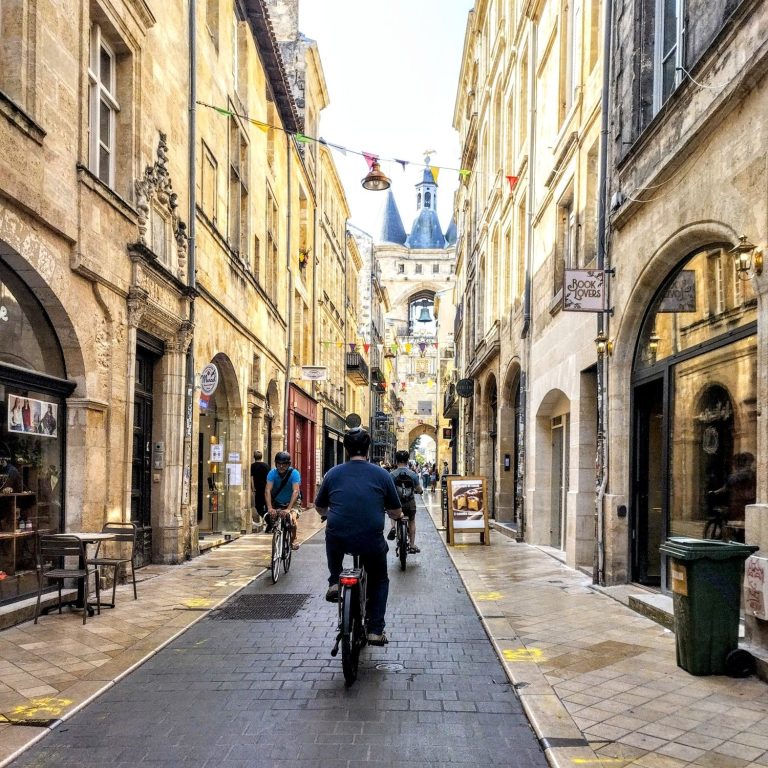
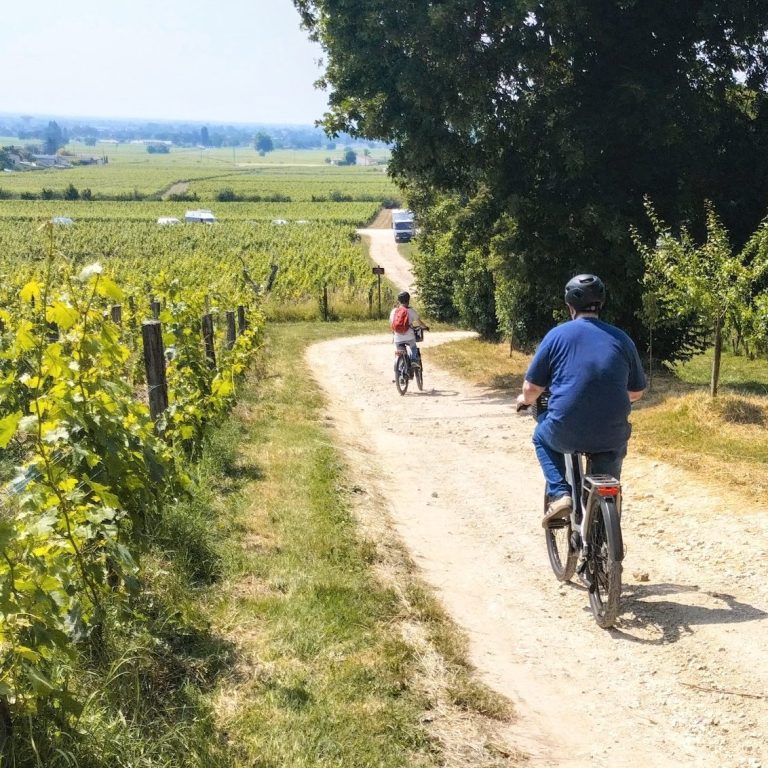
The day begins in Bordeaux, where elegant eighteenth-century architecture gradually gives way to tree-lined streets and riverside paths. Within minutes, you leave the bustle of the city behind and cross the Garonne River, following quiet cycle paths that lead away from the urban centre.
It's a transition that surprises many visitors.
The cafés, trams and lively squares slowly disappear, replaced by birdsong, open fields and the peaceful rhythm of the countryside. It feels almost impossible that one of France's largest cities is now only a few kilometres behind you.
From here, the route unfolds through a landscape that few visitors ever experience.
Small country roads weave between vineyards, forests and traditional villages where life still moves at a gentle pace. Stone farmhouses, Romanesque churches and family-owned wine estates appear around almost every bend. Depending on the season, you may pass rows of vines covered in fresh spring leaves, vibrant green summer canopies or the spectacular golden colours of the autumn harvest.
One of the greatest pleasures of travelling by bike is the freedom to stop whenever something catches your eye.
A beautiful château standing proudly among the vines.
A quiet lane lined with wildflowers.
A panoramic viewpoint overlooking the rolling vineyards.
A local bakery that wasn't marked on any itinerary.
Moments like these rarely fit into a strict timetable. They become the unexpected memories travellers often talk about long after returning home.
Unlike driving, cycling encourages you to slow down.
You begin to notice the subtle details that make this wine region so unique: the changing scent of the vineyards as the sun warms the soil, the sound of gravel beneath your tyres, swallows gliding above the vines, and the conversations with local winemakers who have cultivated these landscapes for generations.
As the kilometres pass, the rhythm of the ride becomes surprisingly relaxing. There is no pressure to rush towards the destination because every section of the route has something to discover.
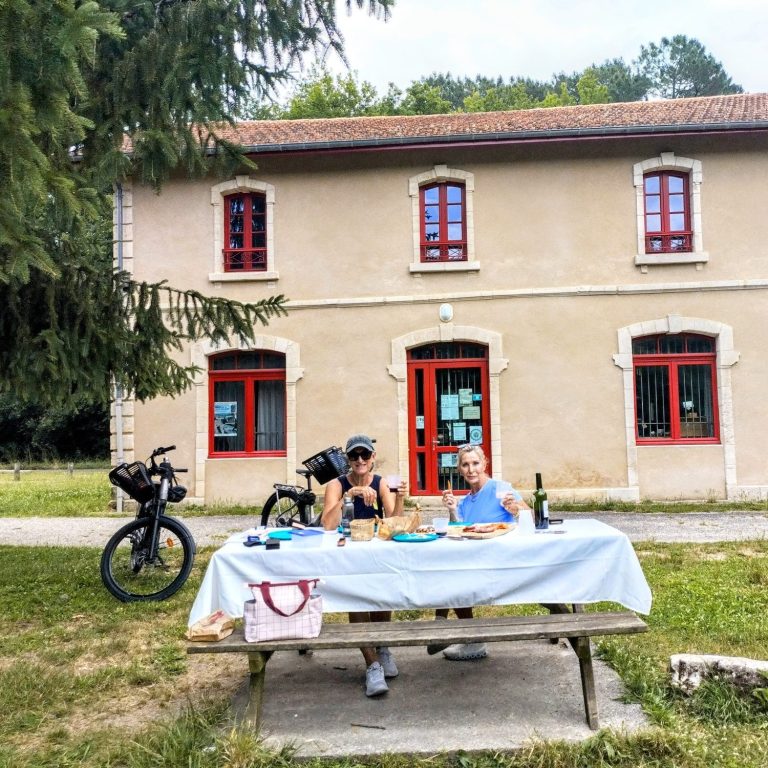
Around midday, many cyclists choose to pause for a picnic surrounded by vineyards.
It is often one of the simplest moments of the day, yet one of the most memorable.
Fresh bread from a local bakery.
Regional cheeses.
Seasonal fruit.
Perhaps a homemade canelé picked up in Bordeaux that morning.
With nothing but rows of vines stretching towards the horizon, lunch becomes less about eating and more about appreciating the landscape around you.
This slower pace also changes how you experience the Bordeaux wine region.
Travelling by car, vineyards often become scenery seen through the windscreen.
By bicycle, they become places you move through.
You notice how each vineyard seems to have its own personality. Some are perfectly aligned beside prestigious châteaux, while others disappear behind ancient stone walls or wind gently across rolling hills. The landscape constantly changes, yet always feels connected by centuries of winemaking tradition.
Eventually, after hours spent gradually approaching Saint-Émilion rather than simply arriving there, something remarkable happens.
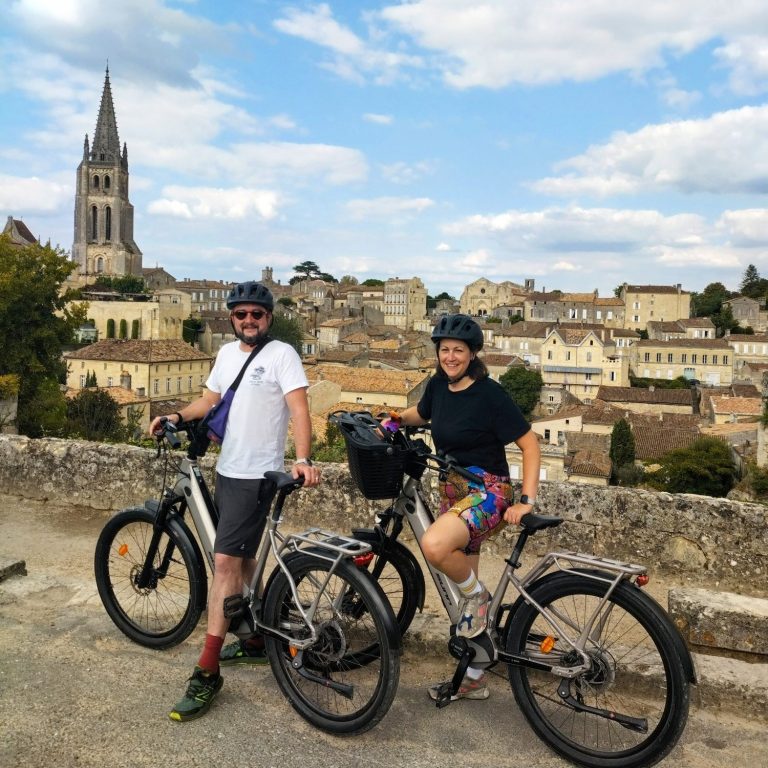
The medieval village suddenly appears on the horizon.
Perched on its limestone hill, the bell tower rises above a sea of vineyards, almost as if it has been waiting there all along.
For many first-time visitors, this is the moment they realise why travelling slowly matters.
Rather than stepping off a train directly into the village, you've witnessed how the landscape evolved to create it. You've crossed rivers, followed country lanes, passed villages and vineyards, and watched Saint-Émilion grow larger with every kilometre.
By the time you arrive, you already feel connected to the place.
The reward is all the greater because you've earned the view.
After locking your bike, the pace slows even further.
Now it's time to explore on foot.
Saint-Émilion reveals itself through narrow cobbled streets, shaded squares, underground monuments and hidden viewpoints overlooking the very vineyards you've just cycled through. A leisurely lunch on a sunny terrace, a visit to a local wine cellar or simply wandering without a destination all feel like a natural continuation of the journey rather than separate activities.
Many travellers assume that cycling from Bordeaux to Saint-Émilion is only for experienced cyclists.
In reality, the route is accessible to a much wider range of visitors than most people expect. Thanks to the region's generally gentle terrain and the growing popularity of electric bikes, couples, families and occasional cyclists can comfortably enjoy the experience at a relaxed pace. The objective isn't speed or performance, it's immersion.
And perhaps that's what makes arriving by bicycle so different.
You don't simply visit Saint-Émilion.
You understand how it belongs to its landscape.
The vineyards are no longer just something you photograph after arriving. They become part of your journey, your conversations and your memories.
Long after the names of individual wineries have faded, many travellers remember something much simpler: the quiet roads, the changing scenery, the shared picnic, and the feeling of rolling into one of France's most beautiful villages under their own power.
Because in the end, the journey to Saint-Émilion is every bit as extraordinary as the destination itself.
Option 3 – Visit Saint-Émilion on a Guided Wine Tour
For travellers who prefer a simple, hassle-free experience, joining a guided wine tour is one of the most popular ways to visit Saint-Émilion from Bordeaux.
These tours are designed to take care of almost every detail. Transportation, winery reservations and the day's itinerary are usually organised in advance, allowing you to relax and enjoy the experience without worrying about logistics. For first-time visitors or those with limited time, this convenience can be a real advantage.
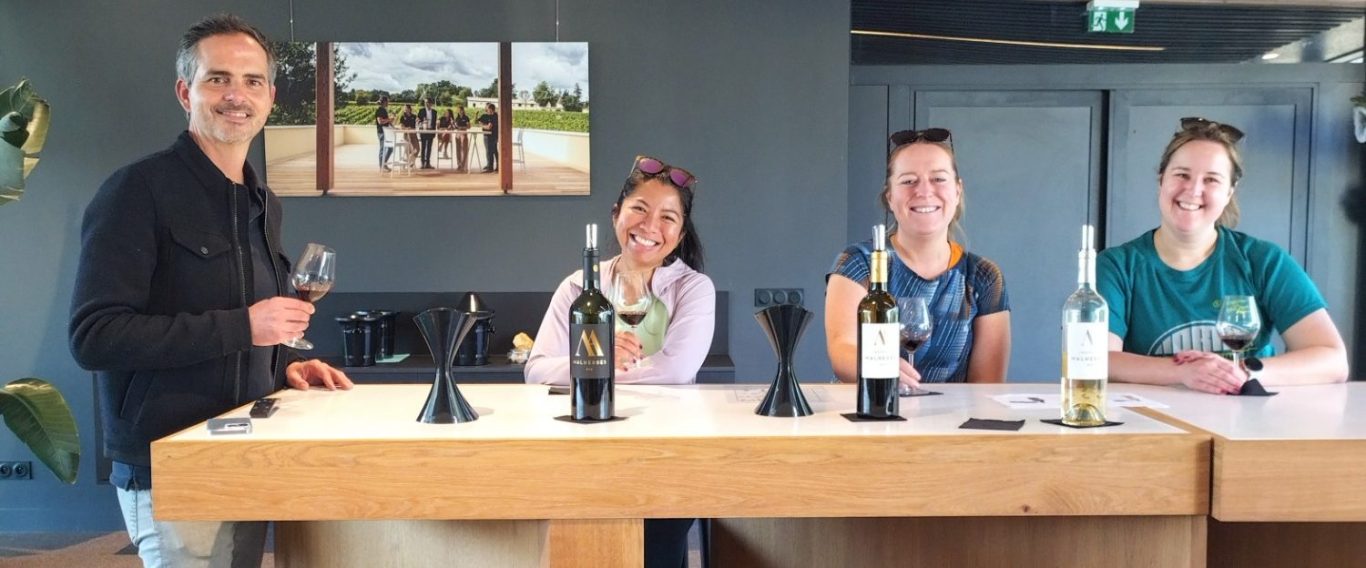
Most guided tours depart directly from Bordeaux by minibus or coach and include visits to one or two wineries, guided tastings and free time to explore the medieval village. Some premium experiences also include lunch or visits to family-owned estates, while others focus on the prestigious Grand Cru Classé châteaux that have made Saint-Émilion famous around the world.
One of the biggest benefits is peace of mind.
You don't need to book train tickets, plan a route or think about driving after wine tastings. Everything is organised for you, making it an excellent option if you'd rather spend your day discovering the wines than managing the practical details.
However, this convenience comes with a trade-off.
Because the itinerary is fixed, you'll usually follow a predefined schedule with limited flexibility. Departure times, winery visits and the amount of free time in the village are all decided in advance. If you fall in love with a particular viewpoint, discover a charming café or wish to spend an extra hour wandering the medieval streets, the group schedule may not allow it.
Group size is another point to consider.
Many guided wine tours operate with small groups of 8 people, creating a friendly atmosphere and allowing for more interaction with the guide. Others welcome larger groups travelling by coach, particularly during the busy summer months. The overall experience can vary considerably depending on the tour operator, so it's always worth checking the maximum group size before booking if a more intimate experience is important to you.
Who is a guided wine tour best for?
A guided tour is an excellent choice if you:
- are visiting Bordeaux for only a few days and want an easy day trip;
- prefer not to organise transport or winery reservations yourself;
- want to learn about the wines of Saint-Émilion with the help of a knowledgeable guide;
- enjoy meeting other travellers and sharing the experience with a group.
It's also a great option for visitors who are primarily interested in wine tasting rather than exploring the surrounding countryside.
If your main objective is to discover Saint-Émilion's famous wines in a comfortable, organised setting, a guided wine tour offers an enjoyable and stress-free introduction to one of France's most celebrated wine regions.
Local insight
From my experience as a local guide, one of the biggest differences between guided wine tours and slower forms of travel isn't the quality of the wineries, it's the pace of the day.
Guided tours are designed to help you discover Saint-Émilion efficiently, making them ideal if you want a well-organised introduction to the region. But if you're the kind of traveller who enjoys lingering over lunch, stopping whenever a beautiful landscape catches your eye or taking the quiet roads through the vineyards, you may prefer an experience where the journey itself becomes part of the adventure.
That distinction isn't about one option being better than another, it's about choosing the style of travel that matches the memories you want to bring home.
Option 4 – Visit Saint-Émilion by Taxi or Private Driver
If comfort and flexibility are your top priorities, travelling to Saint-Émilion by taxi or private driver can be an excellent choice.
Unlike trains or guided tours, this option allows you to travel entirely on your own schedule. You choose your departure time, decide how long you'd like to spend in the village and, if you wish, make stops along the way to admire the vineyards, visit a winery or enjoy lunch in the countryside.
For many travellers celebrating a honeymoon, anniversary or special occasion, a private transfer offers a relaxed and personalised way to experience the region.
The journey from Bordeaux to Saint-Émilion takes approximately 45 to 60 minutes, depending on traffic. Along the way, you'll gradually leave the city behind as the urban landscape gives way to rolling vineyards, charming villages and the prestigious wine estates that define this part of southwestern France.
What does it cost?
This is generally the most expensive transport option.
A one-way taxi from Bordeaux to Saint-Émilion typically costs between €80 and €150, depending on the time of day, traffic and the taxi company. Booking a private driver for several hours or for a full day naturally increases the price but also offers greater flexibility, especially if you plan to visit multiple wineries or explore beyond the village itself.
For couples or small groups travelling together, the cost can become more reasonable when shared between several people.
The advantages
The biggest advantage is freedom.
There are no train schedules to follow, no group itinerary and no fixed departure times. If you discover a winery you'd like to visit, decide to enjoy a longer lunch or simply want to spend more time wandering through Saint-Émilion's medieval streets, your day can easily adapt to your pace.
Travelling by private vehicle is also particularly comfortable if you're carrying luggage, travelling with young children or prefer a more relaxed journey.
Things to keep in mind
While a taxi or private driver offers convenience, it doesn't necessarily provide the same level of local interpretation as a guided experience. Unless you've booked a chauffeur who also acts as a guide, the journey itself is primarily about transportation rather than discovering the history, vineyards or culture of the region.
It's also worth remembering that even with a private vehicle, most of Saint-Émilion's historic centre is explored on foot. The village's narrow cobbled streets, limestone stairways and pedestrian lanes are part of its unique charm and cannot be accessed by car.
Who is this option best for?
Travelling by taxi or private driver is particularly well suited to:
- couples celebrating a special occasion;
- luxury travellers seeking maximum comfort and privacy;
- families with young children;
- visitors who prefer a completely personalised itinerary;
- travellers with limited mobility who want to minimise walking before reaching the village (while keeping in mind that the village itself remains hilly and largely pedestrian).
If your priority is a seamless, door-to-door journey with complete flexibility, a private transfer is an excellent solution. It allows you to discover Saint-Émilion at your own pace while enjoying the comfort of a dedicated vehicle throughout the day.
Local insight
One point that's often overlooked is that a private driver doesn't have to mean travelling directly from Bordeaux to Saint-Émilion. If time allows, ask your driver to take the smaller country roads rather than the fastest route. The drive may be a little longer, but you'll pass through beautiful vineyard landscapes and quiet villages that many visitors never see when they stick to the main roads.
While you won't experience the countryside in the same immersive way as on foot or by bicycle, this simple choice can transform the journey from a transfer into a memorable part of the day itself.
Which option is the best?
Budget traveller - Train
Wine lover - Bike
Couple - Bike
Family - E-bike
Luxury traveller - Private driver
Short on time - Guided tour
Outdoor enthusiast - Bike
What to Do Once You Arrive in Saint-Émilion
Reaching Saint-Émilion is only the beginning of the experience.
Whether you've arrived by train, bicycle, guided tour or private driver, the medieval village invites you to slow down. Unlike many destinations where visitors rush from one landmark to another, Saint-Émilion rewards curiosity. Its narrow cobbled streets, hidden courtyards and centuries-old limestone buildings encourage you to wander without constantly checking a map.
The village itself is relatively compact, making it easy to explore on foot in just a few hours. Yet behind almost every stone archway lies another discovery, an ancient church, a panoramic viewpoint, a quiet garden or a wine cellar carved directly into the limestone beneath the village.
Here's how to make the most of your visit.
Start by wandering through the medieval village
Before following an itinerary, simply take time to explore.
Saint-Émilion is one of the best-preserved medieval villages in France, with a history stretching back more than a thousand years. Every street tells part of that story, from elegant stone houses and small artisan boutiques to charming cafés tucked into quiet squares.
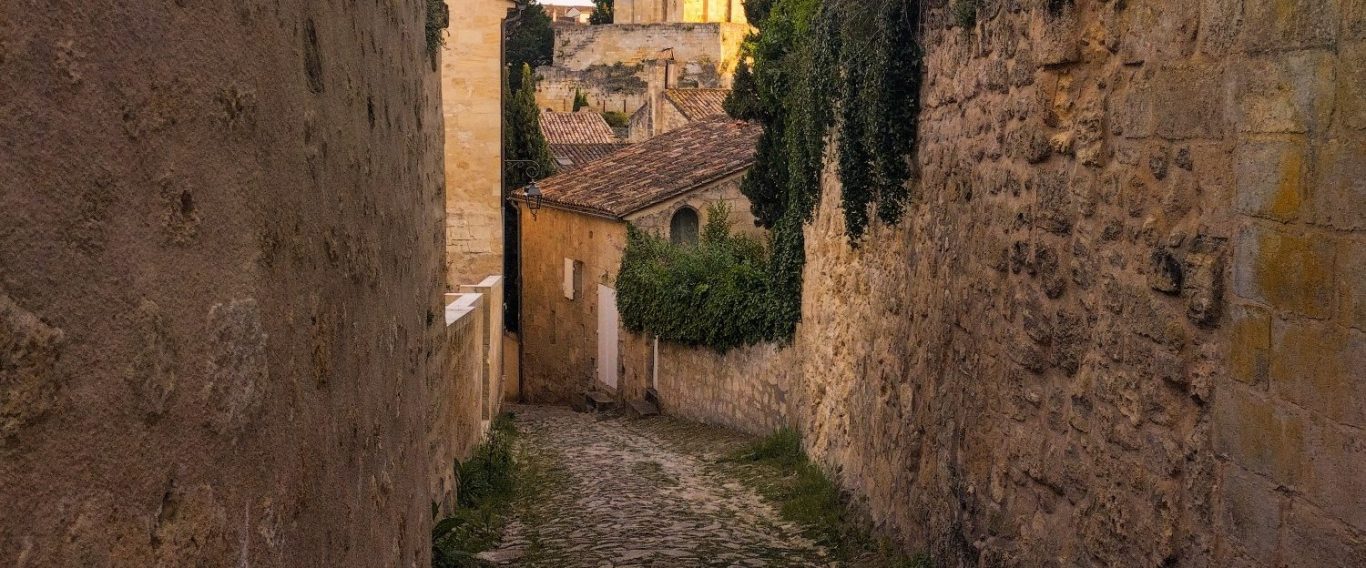
The beauty of Saint-Émilion is that there is no wrong direction to take. Some of the village's most memorable corners are found when you allow yourself to get pleasantly lost.
Wear comfortable shoes, as the streets are paved with centuries-old cobblestones and the village is built on a limestone hillside with several steep lanes and staircases.
Discover the remarkable Monolithic Church
The Monolithic Church is undoubtedly Saint-Émilion's most extraordinary monument.
Carved directly into the limestone cliff during the 12th century, it is one of the largest underground churches in Europe. Rather than being built stone by stone, the entire interior was excavated from a single block of rock—an incredible feat of medieval engineering.
A guided visit allows you to explore not only the church itself but also the underground catacombs, the Hermitage of Saint Emilion and the Chapel of the Trinity, offering a fascinating glimpse into the spiritual and historical foundations of the village.
Even if you're not particularly interested in religious history, this is one of the experiences that truly helps you understand why Saint-Émilion has been recognised as a UNESCO World Heritage Site.
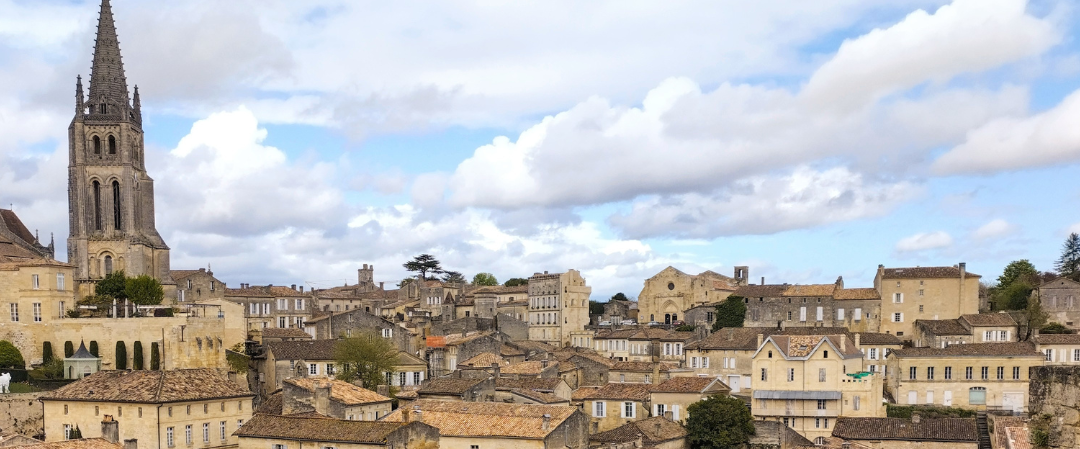
Enjoy one of the village's most unique places: the Cloître des Cordeliers
One of Saint-Émilion's hidden gems is the Cloître des Cordeliers.
Founded in the 14th century as a Franciscan monastery, it has been transformed into one of the village's most atmospheric wine experiences. Beneath the historic cloister lies an extensive network of underground galleries where sparkling wines have been produced using the traditional method for more than a century.
Visitors can explore these fascinating limestone cellars before relaxing in the peaceful gardens or enjoying a glass of sparkling wine in the open-air courtyard.
The combination of history, architecture and a relaxed atmosphere makes it one of the most enjoyable places to take a break during your visit.
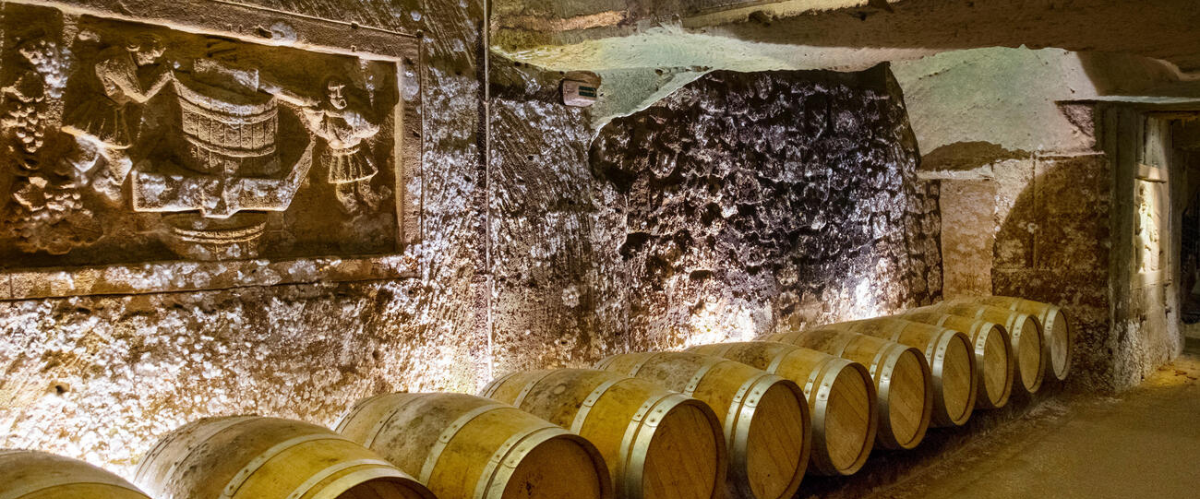
Step underground into Saint-Émilion's limestone world
Much of Saint-Émilion's history lies beneath your feet.
For centuries, limestone was extracted from underground quarries to build the village itself. Today, many of these galleries have been transformed into spectacular wine cellars where bottles mature in naturally cool and humid conditions throughout the year.
Several wineries and historic sites offer guided visits into these underground spaces, allowing visitors to discover a hidden side of Saint-Émilion that many never expect.
These subterranean passages are a reminder that the village is not only beautiful above ground but also shaped by an extraordinary underground landscape.
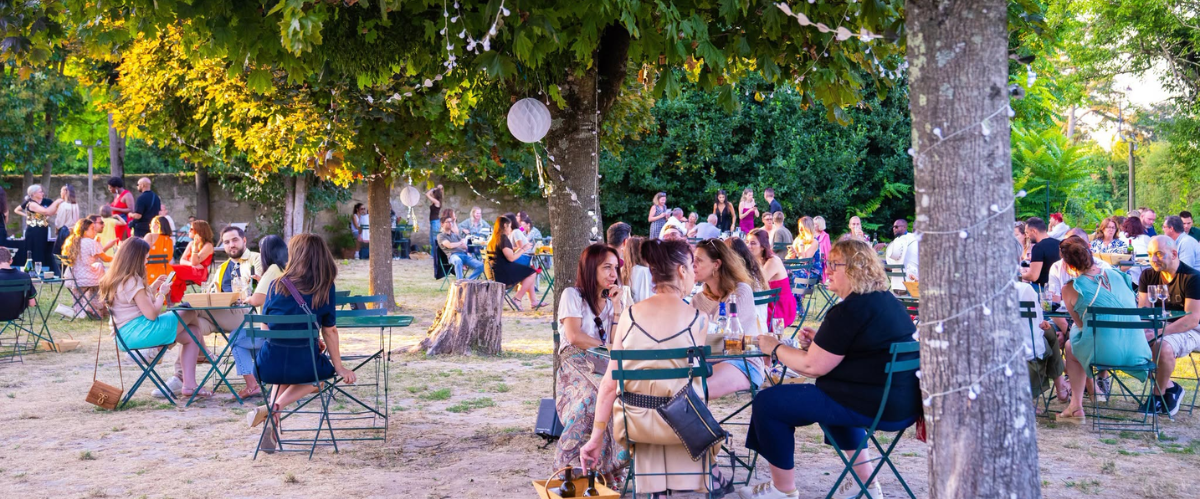
Take a peaceful break in the village gardens
After climbing the village's hills and exploring its lively streets, the gardens provide a welcome moment of calm.
Small green spaces scattered throughout Saint-Émilion offer shaded benches, beautiful flowers and quiet corners where you can simply enjoy the atmosphere.
They're also perfect places to pause with an ice cream, read a few pages of a book or admire the surrounding vineyards from a distance.
Sometimes the best way to experience Saint-Émilion is simply to slow down.
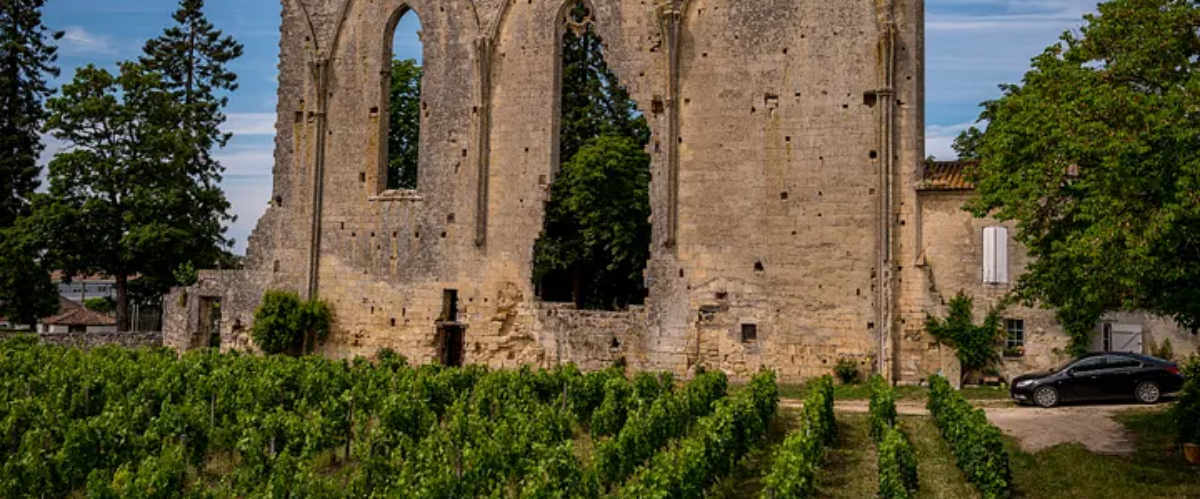
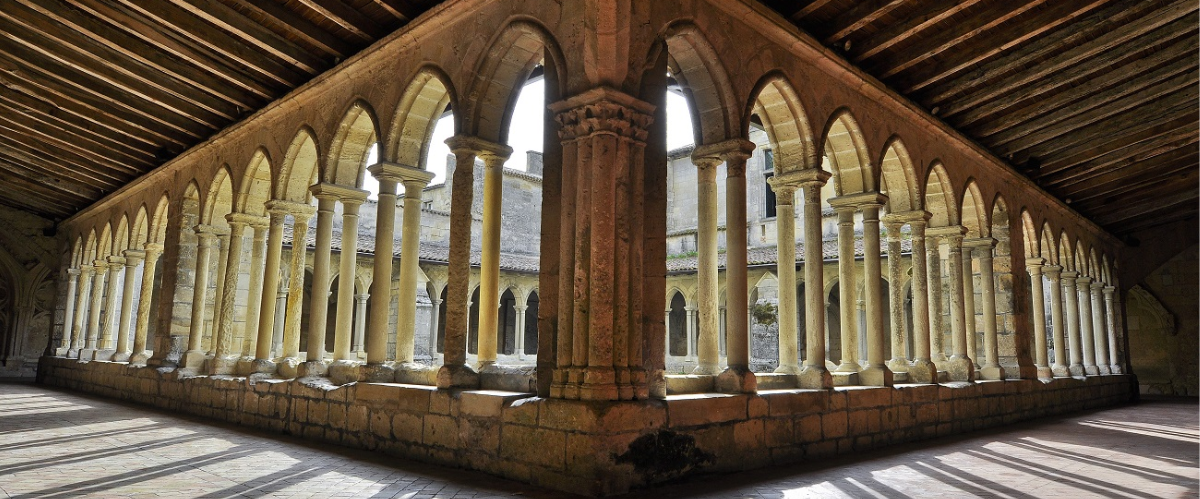
Visit the Cloister of the Collegiate Church
Often overshadowed by the Monolithic Church, the Cloître de l'Église Collégiale is one of the village's most tranquil places.
Dating back to the 12th century, this elegant cloister surrounds a peaceful courtyard where silence replaces the bustle of the main streets.
Its graceful stone arches, delicate Gothic architecture and intimate atmosphere make it one of the most photogenic corners of Saint-Émilion—and one that many visitors accidentally miss.
If you're looking for a quiet moment away from the crowds, this is one of the best places to find it.
Discover local wines in Saint-Émilion's wine shops
Even if you don't visit a château, you'll have plenty of opportunities to discover the wines that have made Saint-Émilion famous.
Throughout the village you'll find welcoming wine merchants offering carefully selected bottles from both prestigious classified estates and smaller family-owned producers.
Many shops organise informal tastings where knowledgeable staff explain the differences between appellations, grape varieties and vintages in an approachable way.
It's an excellent opportunity to learn more about the region while choosing a bottle to enjoy later—or to take home as a souvenir.
Enjoy lunch on a sunny terrace
Exploring Saint-Émilion quickly works up an appetite.
The village offers a wide variety of restaurants, from casual cafés and wine bars to refined gastronomic dining. Many terraces overlook the medieval streets, creating the perfect setting for a relaxed lunch accompanied by local wines.
Whether you choose a simple seasonal salad, traditional French cuisine or a tasting menu, allow yourself time to linger.
In Saint-Émilion, lunch is rarely something to rush.
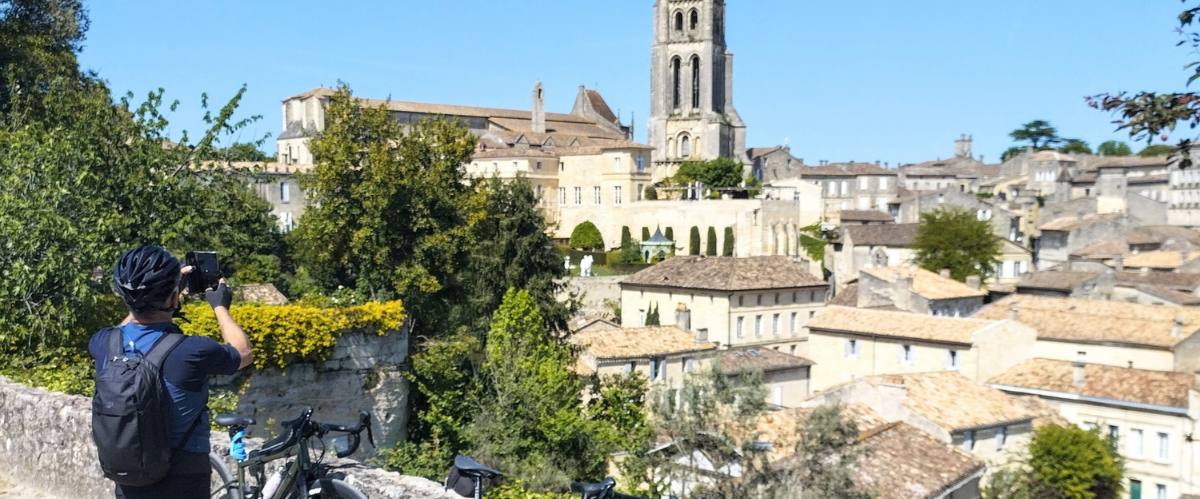
Don't miss the best viewpoints
Saint-Émilion is as beautiful from above as it is within its medieval streets.
Several viewpoints offer spectacular panoramas across the rooftops and the surrounding vineyards.
The Bell Tower of the Monolithic Church
Climbing the bell tower rewards you with one of the finest views over the village and the endless rows of vines stretching into the distance. It's a wonderful way to appreciate how closely Saint-Émilion and its wine landscape are connected.
Place du Cap du Pont
This charming square offers a postcard-perfect perspective of the village's golden stone buildings and surrounding hills. It is particularly beautiful in the late afternoon when the warm light enhances the colour of the limestone.
The Tour du Roy
As the only remaining Romanesque keep in the Gironde, the Tour du Roy offers another exceptional viewpoint. After climbing its historic staircase, you'll enjoy a sweeping 360-degree panorama over Saint-Émilion, the vineyards and the surrounding countryside.
Each viewpoint reveals a different perspective, making it worth visiting more than one if time allows.
Finish with Saint-Émilion's famous macarons
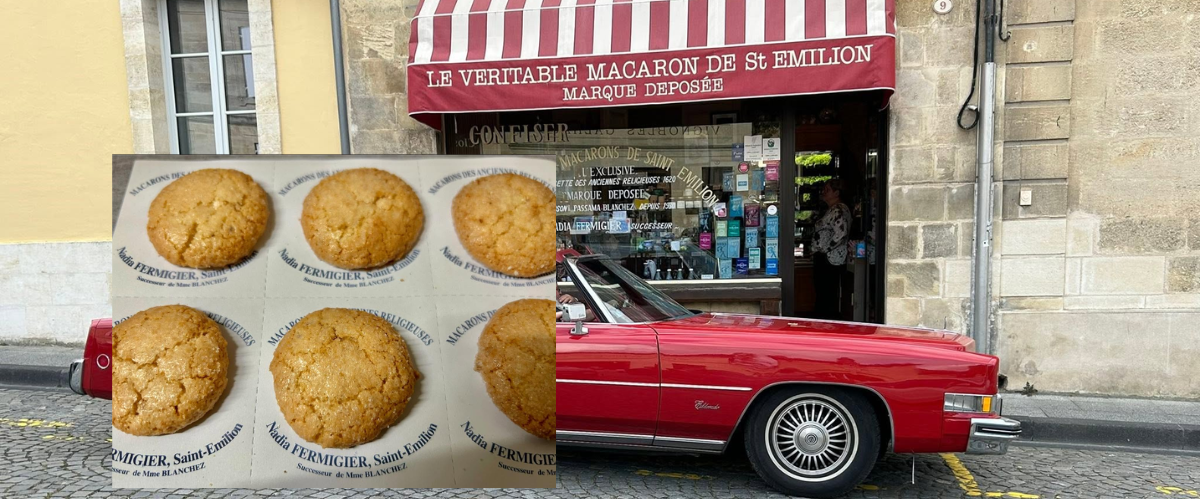
No visit is complete without tasting the village's legendary macarons.
Unlike the colourful Parisian version made with two shells and a filling, Saint-Émilion's macarons follow a centuries-old recipe created by the Ursuline nuns in the 17th century.
Made with just a handful of simple ingredients—almonds, sugar and egg whites—they have a delicately crisp exterior and a wonderfully soft centre.
They're the perfect sweet treat after a day of walking through the village and make an excellent edible souvenir to take home.
When Is the Best Time to Visit Saint-Émilion?
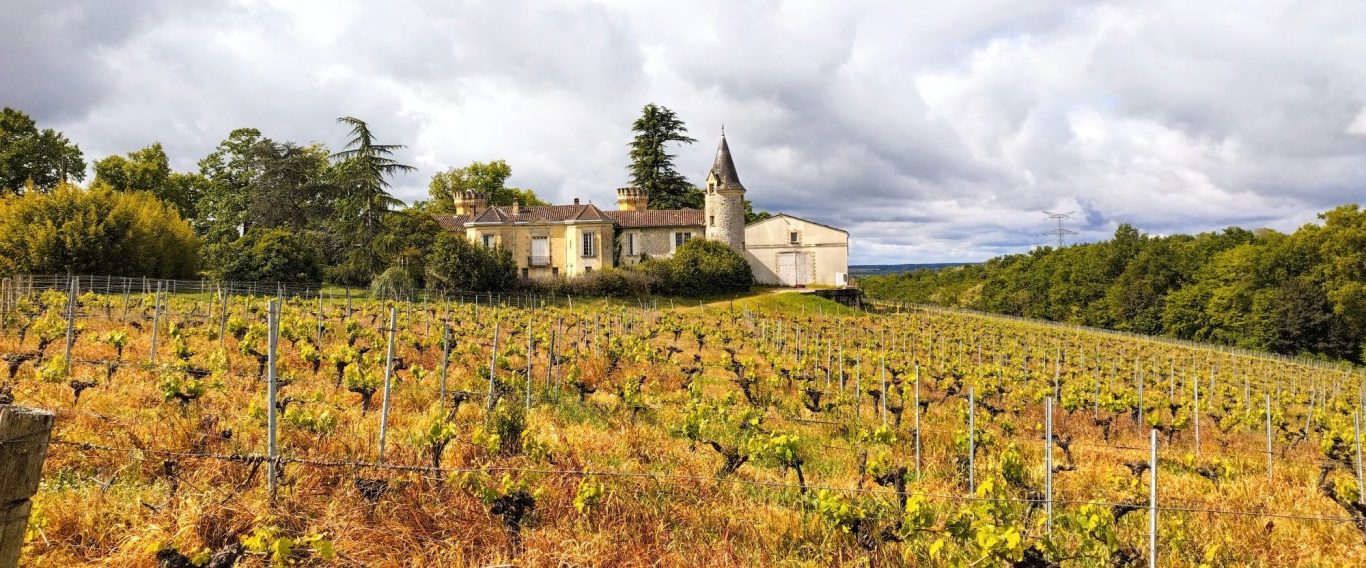
Saint-Émilion is beautiful year-round, but autumn, from mid-September to mid-October, is the most magical time to visit. During the grape harvest, the vineyards turn shades of gold, orange and crimson, while wineries come alive with one of the most exciting moments of the winemaking year. The weather is usually mild, the scenery spectacular, and the atmosphere unlike any other season. If you want to experience Saint-Émilion at its most authentic, this is the perfect time to go.
Frequently Asked Questions
Can you walk around Saint-Émilion?
Absolutely. Saint-Émilion is one of the best destinations in France to explore on foot. The medieval village is entirely walkable, and several quiet roads and vineyard paths allow you to venture beyond the historic centre towards the surrounding châteaux. If you're visiting during spring or summer, don't forget sunscreen, a hat and a bottle of water, as many vineyard roads offer very little shade.
How much time do you need to visit Saint-Émilion?
To truly enjoy Saint-Émilion, plan at least four hours. This gives you enough time to stroll through the medieval streets, visit a winery, enjoy a leisurely lunch on a terrace and simply soak up the atmosphere. If your schedule allows, spending a full day lets you experience both the village and the surrounding vineyards at a much more relaxed pace.
Can you visit wineries without a reservation?
Yes, you can visit many wineries without a reservation, and some welcome visitors for bottle purchases or informal tastings. However, if you'd like a guided tour of the estate or a structured wine tasting, it's highly recommended to book in advance—especially between May and October, when many wineries reach capacity.
Can beginners cycle from Bordeaux to Saint-Émilion?
Yes. Many first-time visitors are surprised by how accessible the route is. While cycling from Bordeaux to Saint-Émilion is an active day out, the terrain is generally gentle, and electric bikes make the journey comfortable for recreational cyclists. You don't need to be an athlete—just reasonably active and comfortable riding a bicycle for several hours.
Is an e-bike worth it?
For most visitors, yes. An e-bike allows you to enjoy the scenery without worrying about the occasional hill or the overall distance. Instead of focusing on the physical effort, you can spend more time admiring the vineyards, stopping for photos and enjoying the journey. It's an excellent choice for couples, casual cyclists and anyone who wants a relaxed experience.
Can I bring luggage?
If you're travelling by e-bike, carrying a small suitcase or backpack is usually not a problem. Our e-bikes are equipped with rear panniers, making it easy to transport your belongings comfortably. Standard gravel bikes are designed for performance and are not equipped to carry luggage, so we recommend travelling light if choosing that option.
Where should I eat in Saint-Émilion?
There are many excellent restaurants in the village, from traditional bistros to fine dining. One of my personal favourites is Chai Pascal, a welcoming restaurant known for its seasonal cuisine, excellent wine selection and relaxed atmosphere. Whatever you choose, booking a table in advance is recommended during the busy season.
Is Saint-Émilion expensive?
It depends on how you choose to visit. Walking through the village is completely free, and there are cafés, bakeries and wine bars for a range of budgets. Fine dining restaurants and prestigious château visits naturally cost more, but it's perfectly possible to enjoy a memorable day in Saint-Émilion without spending a fortune.
Can children visit Saint-Émilion?
Absolutely. Families often enjoy wandering through the medieval streets, climbing to the viewpoints and discovering the village's history. For cycling experiences, however, we generally recommend participants be at least 16 years old, as the route covers a significant distance and is designed for adult riders.
Can you visit Saint-Émilion in one day?
Yes—and it's one of the best day trips from Bordeaux. Whether you travel by train, bike or guided tour, a single day is enough to explore the medieval village, enjoy local wines and experience the surrounding vineyards. If you have more time, staying overnight offers an even quieter atmosphere once the day visitors have left.
Is Saint-Émilion worth visiting?
Without hesitation, yes. Combining UNESCO-listed heritage, world-famous wines and beautiful vineyard landscapes, Saint-Émilion is one of the most remarkable destinations in southwestern France. Its unique blend of history, gastronomy and scenery makes it one of the highlights of any trip to Bordeaux.
Can you reach the vineyards on foot?
Yes. One of the wonderful things about Saint-Émilion is that the vineyards begin almost immediately beyond the village. Within about 20 to 30 minutes of walking, you'll find yourself surrounded by rows of vines, quiet country lanes and stunning wine estates.
What should I wear when visiting Saint-Émilion?
Comfortable walking shoes are essential. The village is built on a hillside with uneven cobblestones and steep lanes. During warmer months, lightweight clothing, sunscreen and a hat are highly recommended, especially if you plan to explore the vineyards on foot or by bike.
Is Saint-Émilion accessible without a car?
Yes—and many visitors actually find it easier and more enjoyable. Regular trains connect Bordeaux and Saint-Émilion in around 45 minutes, while guided tours, private transfers and cycling experiences all offer convenient alternatives. Once you arrive, the village is best explored on foot.
What makes Saint-Émilion so special?
Saint-Émilion offers a rare combination of medieval heritage, exceptional wines and breathtaking vineyard landscapes. Few places allow you to explore UNESCO-listed streets in the morning, taste world-class wines at lunch and spend the afternoon walking or cycling through centuries-old vineyards. It's this unique balance of history, culture and nature that makes Saint-Émilion unforgettable.
How far is Saint-Émilion from Bordeaux?
Saint-Émilion lies approximately 45 kilometres (28 miles) east of Bordeaux. By car, the journey takes around 50 minutes. By train, it's about 45 minutes.
By bicycle, however, measuring the journey in hours misses the point.
This isn't simply transportation—it's a full-day experience through the heart of the Bordeaux wine region. Quiet country roads replace busy streets, vineyards stretch to the horizon, small villages invite you to pause, and every stop becomes part of the story. A leisurely picnic among the vines, conversations with local winemakers and countless photo opportunities naturally become part of the day.
By the time you arrive in Saint-Émilion, you'll have experienced far more than the village itself. You'll have discovered the landscapes, heritage and way of life that make this corner of France so special.
Can you visit Saint-Émilion without a wine tour?
Absolutely. While guided wine tours are popular, they're far from the only way to enjoy Saint-Émilion. The medieval village is a destination in its own right, with charming cobbled streets, historic monuments, welcoming cafés and breathtaking viewpoints. Beyond the village, quiet country roads and white limestone paths invite you to wander through the vineyards at your own pace. Even without a winery tour, there's plenty to discover and enjoy.
Do you need to book the Monolithic Church?
Yes. Access to the Monolithic Church is only possible as part of a guided visit organised by the Saint-Émilion Tourist Office, as the monument is a protected historic site. Tours include the underground church, catacombs and other remarkable monuments that aren't accessible independently. During the high season, it's highly recommended to book your visit in advance, especially on weekends and during the harvest period.
What is Saint-Émilion famous for?
Saint-Émilion is world-renowned for its prestigious red wines and one of the oldest wine-growing traditions in France. But its appeal goes far beyond wine. The village is famous for its UNESCO World Heritage-listed medieval streets, the extraordinary Monolithic Church carved directly into limestone, breathtaking vineyard landscapes and its traditional almond macarons, made from a recipe dating back to the 17th century. Together, these elements make Saint-Émilion one of France's most iconic destinations.
How many wineries are there in Saint-Émilion?
The Saint-Émilion appellation is home to more than 800 wineries (wine estates or châteaux), ranging from world-famous Grand Cru Classé properties to small family-owned vineyards that have been producing wine for generations. While only a selection of these estates welcomes visitors, there are still dozens of opportunities to enjoy guided tours and wine tastings throughout the region. Booking in advance is recommended, particularly if you wish to visit one of the most prestigious châteaux.
The Journey Is Part of the Destination
There are many ways to reach Saint-Émilion.
You can drive, take the train, join a guided tour or travel by bicycle. Each option has its own advantages, and the best choice will always depend on the kind of day you want to experience.
But after guiding hundreds of travellers through the Bordeaux wine region, I've noticed something that almost everyone says at the end of the day.
What they remember most isn't simply arriving in Saint-Émilion.
It's the journey that brought them there.
The quiet roads winding through vineyards. The small villages where time seems to slow down. The conversations shared over a picnic. The scent of the vines warming in the afternoon sun. The excitement of seeing the medieval village appear on the horizon after a day spent discovering the landscapes that surround it.
Saint-Émilion is far more than a destination.
It's a place to slow down.
To hear birds instead of traffic.
To taste wines where they are produced.
To walk through centuries of history.
To discover a landscape that has been shaped by generations of winemakers.
Whether you arrive by train, bicycle or on a guided tour, leaving the car behind allows you to experience the region at a gentler pace. It gives you the freedom to look around instead of watching the road, to appreciate the details that make this UNESCO World Heritage landscape so special, and to create memories that go far beyond a simple day trip.
Because in Saint-Émilion, the journey is never just a way of getting there.
It's part of the destination.
Ready to discover Saint-Émilion differently?
If you'd like to experience not only the village but also the vineyards, quiet country roads and hidden corners that connect Bordeaux to Saint-Émilion, our Bordeaux to Saint-Émilion by E-bike journey offers an immersive way to explore the region at your own pace.
Ride through world-famous vineyards, enjoy a gourmet picnic, meet passionate local producers and arrive in Saint-Émilion with a deeper understanding of the landscapes, history and culture that make this corner of France so unforgettable.